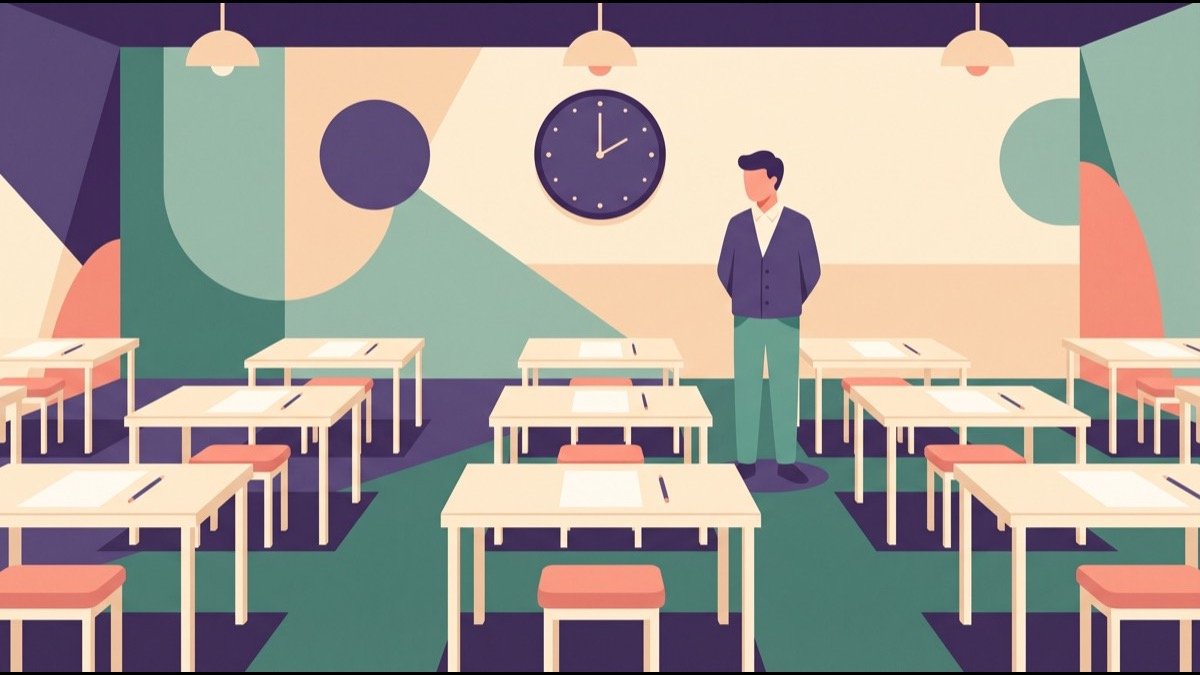
A mock day can teach things ordinary lessons cannot: arriving somewhere unfamiliar, working silently for a sustained period, managing breaks, using an answer sheet and recovering after one difficult section.
Done badly, it is simply a stressful test with a score at the end. Done well, it is rehearsal plus diagnosis.
Choose the right paper
Start with the actual target. If most pupils are sitting the same regional or consortium test, use the closest available format. If the group is mixed, either run separate rooms/sets or use a broad four-subject mock and be clear about what it does and does not simulate.
Never label a generic paper as an “exact” school mock unless the format genuinely matches.
Send clear parent instructions
Provide arrival and finish times, what to bring, food arrangements, emergency contact details and what the mock will cover. State that the result is a practice measure rather than an admissions prediction.
If you collect pupil information, follow your safeguarding and data-protection procedures.
Set the room deliberately
Use individual desks where possible, a visible clock if appropriate, clear candidate spacing and all required materials ready before pupils enter.
Remove teaching displays that could provide answers or distractions.
Rehearse the real timing
Follow the paper instructions closely. Keep section starts, warnings and breaks consistent. Do not give unofficial extra time or hints unless you are deliberately providing an agreed adjustment.
Where pupils have approved access arrangements in the real test, your mock policy should be considered carefully and communicated.
Practise answer-sheet mechanics
If the target exam uses separate multiple-choice responses, include that element. Mechanical familiarity is part of the value of a mock day.
Teach the process in advance; mock day should test the routine, not introduce it for the first time.
Invigilate without tutoring
During the paper, your role changes. Do not explain vocabulary, confirm methods or reassure a pupil that an answer is correct.
You are trying to observe independent performance under controlled conditions.
Mark diagnostically
Return more than a percentage. Break down results by subject or skill, note completion and identify repeated error categories.
Once you have the error categories, targeted worksheets are faster to set than writing new material. free 11+ worksheets by topic and tier
For tutors, the most valuable output is the next teaching plan.
Give parents proportionate feedback
- score and paper details;
- completion/timing;
- strongest areas;
- three priorities;
- recommended next four weeks.
Avoid public ranking of young pupils unless there is a compelling, carefully considered reason. Comparison can easily overpower learning.
Use the next lesson to repair the mock
Do not move immediately to the next paper. Use several questions from the mock to reteach methods and update each pupil's error log.
Find centre-specific practice
EduArchives provides centre-specific mock libraries alongside broader papers, which is useful when your tuition centre serves pupils targeting different selective tests.
Browse centre-specific mocks →
Frequently asked questions
Should a mock day copy the real exam exactly?
Match the known format and timing where practical, but never claim certainty about unpublished live-test content. Follow official familiarisation information.
Should parents watch the mock?
Usually a quiet candidate-only environment is more realistic. Give parents clear collection times and a results process instead.
Should tutors publish a leaderboard?
For young candidates, individual diagnostic feedback is usually more educationally useful than public ranking. Consider wellbeing, consent and the purpose of the event.